Shandong Cuisine
Overview
Shandong cuisine, also known as Lu cuisine, originates from East China's Shandong province. It is one of the eight culinary traditions of Chinese cuisine and is renowned for its rich flavors and complex techniques. Shandong cuisine has profound historical roots dating back to the Spring and Autumn Period (770-476 BC) and is known for its diverse range of cooking methods, including frying, stewing, and braising. The cuisine makes extensive use of seafood, reflecting the province's coastal geography, and emphasizes the use of wheat-based ingredients like noodles and pancakes.
Historical Background
Shandong cuisine has played a significant role in Chinese culinary history. It was one of the first region to systematize the art of Chinese cooking, creating a comprehensive culinary philosophy that has influenced the development of other regional cuisines in China. This tradition was historically reserved for the imperial family and nobility, further enhancing its reputation. The cuisine's emphasis on clear, bold flavors and the skillful use of ingredients have made it a staple in both high-end dining and casual eateries.
Key Ingredients and Techniques
Shandong cuisine is characterized by its use of high-quality ingredients and a variety of cooking techniques. Seafood is a prominent feature, with specialties including sea cucumber, scallops, and prawns. The region's cold climate also supports the cultivation of a wide range of vegetables, which are often pickled or used fresh. The cuisine is known for its meticulous preparation methods, including the use of strong-flavored condiments such as scallions, garlic, and ginger.
A hallmark of Shandong cooking is the broth-based soup, which serves as a base for many dishes and is often complemented by vinegar for an added depth of flavor. The use of wheat flour is also significant, with a variety of dumplings, noodles, and pancakes commonly served.
Famous Dishes
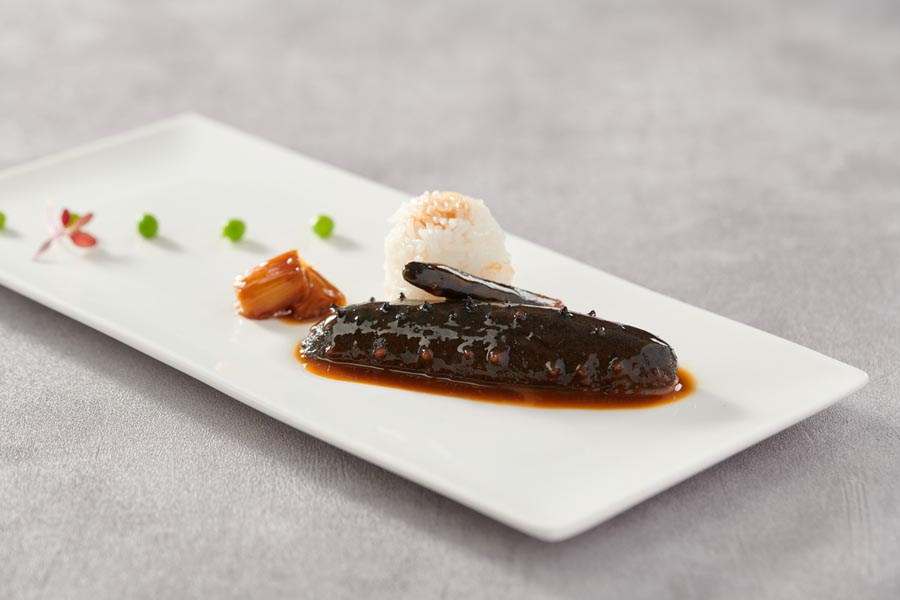
Several dishes exemplify the essence of Shandong cuisine. Stir-fried pig's kidney and sweet potato with caramelized sugar are popular staples, showcasing the balance of flavors that the cuisine is known for. Another renowned dish is the braised sea cucumber with scallions, which highlights the region's adept use of seafood.
Crispy duck is a signature dish that requires precise culinary skills to perfect, from marinating and steaming to the final frying process that creates its characteristic texture. This dish requires ducks to be fried at varying temperatures to ensure the skin is crispy while the meat remains tender.
Cultural Influence and Modern Developments
Shandong cuisine is highly regarded as one of the "Four Great Traditions" of Chinese culinary heritage, alongside Cantonese, Huaiyang, and Sichuan cuisines. It has significantly influenced other regional cuisines, notably Beijing cuisine. In recent years, Shandong cuisine has gained international recognition, highlighted by events such as the Star Chefs' Discovery Journey, which promotes Chinese culinary culture globally. Article reference1. New menus heat up summer palates. chinadaily.com.cn. 20242. Cook Fuhai. en.ppm.cn. 20233. A glimpse of Huaiyang cuisine. seeyangzhou.com. 2019Photo Gallery(8 pictures)CategoriesLifestyleTagFood CultureEight Great Cuisines of ChinaRelatedChinese CuisineDezhou Braised ChickenCatalogue1. Overview2. Historical Background3. Key Ingredients and Techniques4. Famous Dishes5. Cultural Influence and Modern Developments- - - []








